

What this blog includes
- The small signs that this pattern is showing up
- The three roots: a breach, an older pattern, or control from one of you
- A slow way to rebuild after a breach, with both partners present
- When the work is yours alone, and when a therapist can help
- A short Hindi note on vishwas ki kami (lack of trust)
You know the feeling. Their reply takes an hour longer than usual, and your mind writes a full story. Later, you feel small for noticing.
If any of that sounds familiar, you are in a very big club. On GoodLives, trusted by 500K+ people, this is one of the most common things couples bring to a verified, RCI-registered psychologist. The pattern is real, and workable.
What are trust issues, really?
Trust issues are a lasting habit of expecting the people close to you to let you down, lie, or leave, even when they have not. The thought feels true in the body before you can argue with it. One check turns into three. One late reply turns into a story.
It is not a character flaw. It is your nervous system guessing at danger that is not always there.
In short: a learned expectation of being hurt, not proof of being hurt now.
How do the signs show up in a normal week?
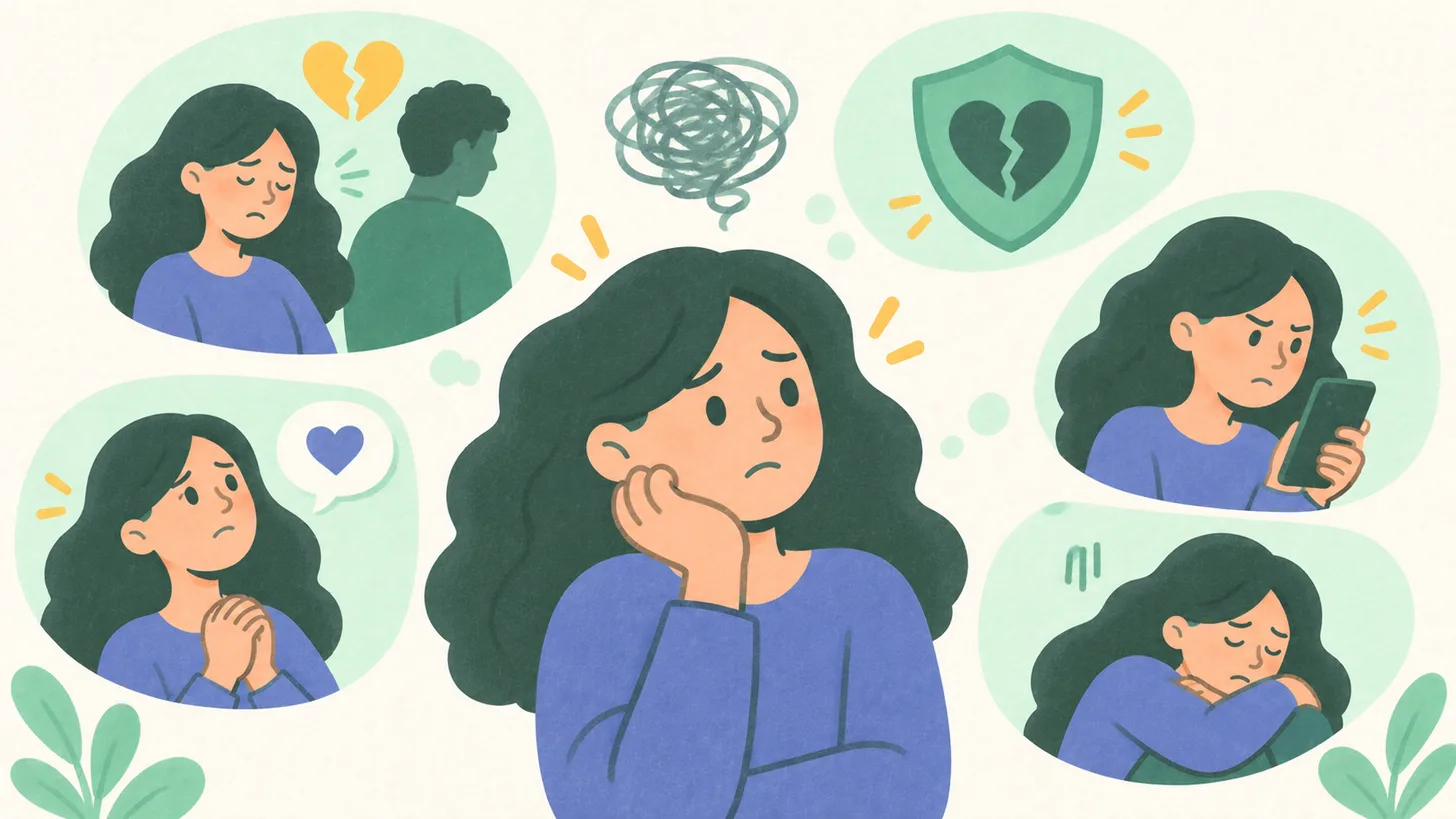
They rarely announce themselves. They look like small, ordinary habits that cost you sleep and the relationship air. Most people do not notice until a partner names it, or until the checking starts eating into work and friends. The list is a soft self-check, not a diagnosis.
Common signs:
- You re-read their messages for a tone you cannot quite place
- You check their location or last seen more than you want to admit
- Compliments feel like a setup for bad news
- You test them with questions you know the answer to
- You pull away first so they cannot leave you first
- You replay old events on nights you cannot sleep
If three or more feel familiar for a few months, it is worth taking seriously.
In short: the signs are small, repeating, and tiring. Noticing them is not an overreaction.
Where does this come from? Three very different roots
Here is the part most listicles skip. The same phrase covers three different problems, and the fix is different for each. Naming which root is yours is half the work. Many people have more than one running at once; that is normal.
The three roots:
- A specific breach. An affair, repeated lies about money, hidden messages, a secret account. The trust broke on a known day for a known reason.
- An old attachment pattern. A parent who left or was unpredictable. A first partner who cheated. Your body learned early that love is unsafe, and it still believes you.
- Control from one of you. Jealousy that polices phones, friends, clothes, hours. If this is coming from you, the phrase can be a kinder label for something harder.
The last one is uncomfortable to read. We come back to it honestly below.
In short: figure out which root is yours before you pick a tool. The three do not share a repair kit.
How do you rebuild trust after a specific breach?
If a specific thing happened, this is a two-person job. Rebuilding is not a grand gesture. It is a long run of small, matching-the-words-with-actions days. Research by John and Julie Gottman keeps finding the same thing: trust is a stack of small moments of turning toward.

A reasonable sequence:
- The partner who broke the trust takes full ownership, in plain words, no “but”
- Both agree on what full disclosure means for this breach
- Set small, visible agreements for 90 days (shared calendar, open phone, weekly check-in)
- Expect waves at month two and five; this is normal, not a setback
- Rebuild your fun together on purpose, not only your talks about the breach
- Review the agreements at 90 days. Keep some, drop some
Try this before you read on, if the thinking is loud.
Catch the thought
What thought is weighing on you right now? Write it down just as it sounds in your head.
Name the trap
Does your thought fall into one of these common patterns? Pick any that fit. This part is optional.
Look again
Use these as nudges, not rules. Then write one line back to yourself.
Your reframe
Thoughts are not facts. You just practised stepping back.
This stays on your device. Nothing is saved or sent.
This tool will not fix the breach. It can help you ride out the next ten minutes. If you want help holding the structure, couples therapy is designed for this. See how couples therapy works for what to expect.
In short: trust rebuilds through steady matched behaviour across months.
When the pattern is your own (and what helps)
Sometimes nothing specific happened in this relationship. The current partner is kind, steady, and keeps showing up. You still cannot settle. If that is you, the work is mostly yours. It is slow, doable, and not your fault that it is yours to carry.
What tends to help:
- Name the trigger before you react. “My chest got tight when they did not reply.”
- Share the fear as a feeling, not an accusation. “I am scared you will leave” lands differently from “You are being distant.”
- Separate the past story from the current evidence on paper.
- Build a weekly habit of safe closeness. A ten-minute phone-free check-in matters more than one long trip.
- Work on the earlier story with a therapist. The honest answer is that some weeks it works and some weeks it does not. See abandonment issues for how this often starts.
Journaling helps you spot the loop. A therapist helps you break it.
In short: if the pattern was yours before this partner, it is yours to work on.
This can also be about control from you
This is the hardest section to read. If the signs section made you think, “yes, and I also check their location, go through their phone, and get upset when they stay out longer than I think they should,” please slow down for the next few lines. It applies to you.
Jealousy is a feeling. Controlling your partner’s phone, friends, clothes, movement, or money is a behaviour. The behaviour is not love in disguise. It is harm, and the person being controlled starts to feel the air thin.
The Mental Healthcare Act 2017 protects every adult’s right to decide for themselves at home too. If this is you, your own therapist is the next step. You might be worried they will judge you; a good one will not. If this is being done to you, read toxic relationship: signs and how to leave safely and keep the helpline numbers close.
In short: jealousy you feel is not the same as behaviour you do. The second is where to start.
Trust issues meaning in Hindi: a short note
Many readers in India search for trust issues meaning in Hindi because the English phrase does not land at home. The nearest everyday word is shak (suspicion). The fuller feeling is vishwas ki kami (lack of trust). Neither carries the clinical weight of the English; both carry family history.
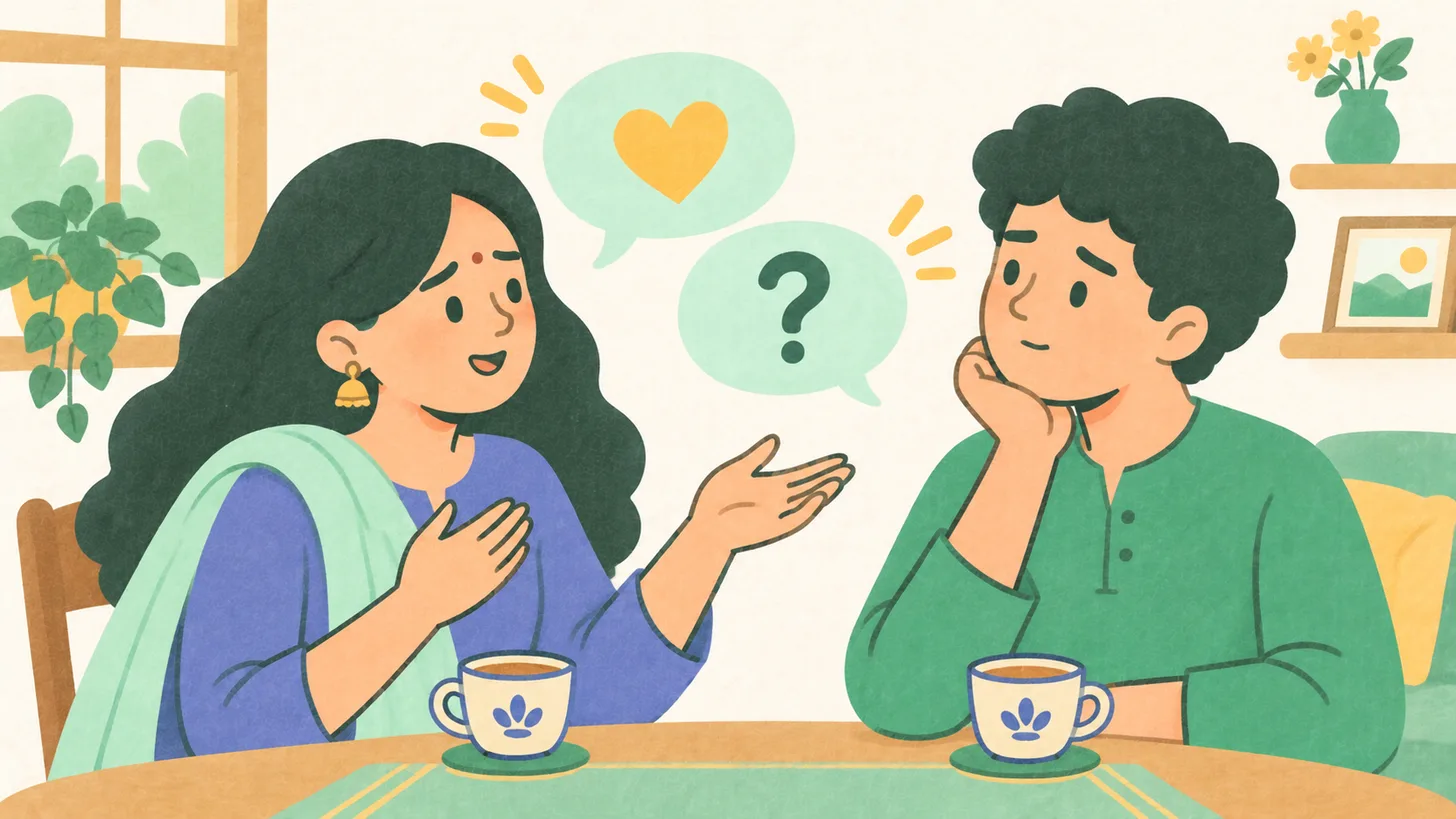
If you are explaining this to a parent, “mera us par poora bharosa nahi ban pa raha hai, chahe woh kuch galat na bhi karein” is often more honest. See communication problems in relationships for small scripts for stuck moments.
In short: in Hindi, shak and vishwas ki kami name the feeling; neither word makes it permanent.
When should you talk to a therapist about this?
Not every anxiety needs therapy. Some of this is a season you walk through with sleep, one honest conversation and a plan. But a few patterns are worth getting help with sooner, because they get more expensive the longer they run.
It is time to talk to a therapist if:
- Checking behaviours are costing you sleep, work, or friendships
- The same fight repeats every few weeks with no new ground
- A specific breach happened and the first two “we are fine” talks did not hold
- Either of you has started hiding things to avoid the next fight
- The relationship is beginning to feel unsafe in any way
A good first session is low-stakes. You can share what is going on, hear what feels worth working on, and decide if you want to come back. You can stop any time.
In short: go when the pattern starts costing you sleep, work, or safety.
FAQ
How can I resolve this in my relationship?
How do I know if I have trust issues?
What are common causes of this pattern?
Are trust issues a red flag?
Can therapy really help?
How long does rebuilding trust take after cheating?
Where to go from here
Slow is the pace that works. One honest conversation, then one honest week. Help is there when you want it.
In short: the first session is the smallest commitment.
This post is for information only and is not a substitute for professional care.
This post is for information only and is not a substitute for professional care.



Share your thoughts