
What this blog includes
- The plain meaning of koinophobia and why no manual lists it
- The signs that show up at work and on your phone
- Why Indian comparison culture keeps the fear running
- How this links to an inferiority complex and quiet burnout
- What therapy actually does for the fear of being ordinary
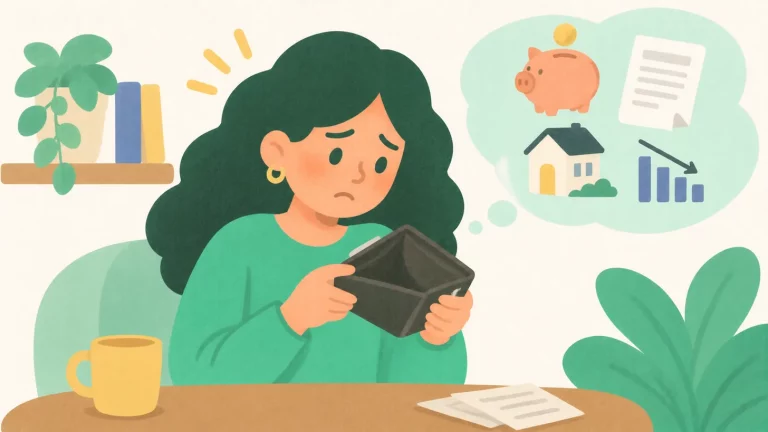
If you have ever opened LinkedIn at 1 am and felt your chest get tight, you know this feeling.
A cousin’s wedding photo. A batchmate’s funding round. A friend’s second promotion. You are proud of them. You are also, quietly, dreading something.
You start listing what you have. As if the sum will quiet the voice that says you are nothing special. Many of us have met that voice.
GoodLives is an online therapy platform trusted by 500K+ people. This fear is one of the most common our readers describe.

So what does koinophobia actually mean?
Koinophobia is the fear of being average or ordinary. The word comes from the Greek koinos, which means common. It names a slow, chest-tight dread that your life will not stand out. The koinophobia meaning is less about one event. It is more about a steady bechaini (restlessness).
Here is the honest part. It is not listed in the DSM-5-TR. That is the APA’s manual of mental health conditions. You will not get a label on a report.
Therapists still work with it. They treat it as part of perfectionism or wider anxiety. The honest answer is that no single disorder covers it.
That is why there is no pill just for it. And no cure claim worth trust from anyone who sells one.
In short: this is a real feeling. The question is not “do I have a disorder”. The question is whether this fear is running your choices.
What does the fear of being average look like day to day?
The fear of being average rarely announces itself. It hides inside normal-looking drive. You might not call it a phobia at all. Most people call it ambition. Or just the way they are. The signs are quiet. They add up over months. If more than two feel familiar, it is worth a closer look.

Common signs include:
- You cannot rest. Resting feels like falling behind.
- You chase the next milestone the week you cross the current one.
- Praise lands flat. One quiet day feels like proof of something.
- You compare yourself with people on LinkedIn you do not know.
- You leave stable jobs because they feel “ordinary”.
- A quiet weekend makes you anxious, not calm.
- You dread turning 30 or 40 with “nothing to show”.
Many of these also show up with an inferiority complex or ongoing anxiety.
You might be worried that reading this list makes you feel exposed. That is often the first step toward loosening its grip.
One tool that lands quickly for this voice is a short guided thought-reframe. It names the trap. It builds a kinder thought. It ends with a small next step. Try it before you read on.
Catch the thought
What thought is weighing on you right now? Write it down just as it sounds in your head.
Name the trap
Does your thought fall into one of these common patterns? Pick any that fit. This part is optional.
Look again
Use these as nudges, not rules. Then write one line back to yourself.
Your reframe
Thoughts are not facts. You just practised stepping back.
This stays on your device. Nothing is saved or sent.
In short: this does not look dramatic. It looks like a person who cannot stop, cannot enjoy, and keeps raising their own bar in private.
Why so many of us carry this: comparison culture and the LinkedIn feed
A lot of us grow up measured against someone else. The “sharma ji ka beta” joke lands because it is not really a joke. Aunties ask who got through IIT, who cleared UPSC, who paid for the Dubai trip. Cousins get ranked at family dinners.
Adulthood brings fresh scoreboards. Funding rounds. Salary bands on LinkedIn. People buying flats in Hyderabad at 28. Even hobbies have rankings now.
Per the National Mental Health Survey 2015-16 by NIMHANS, about 10.6% of adults in India live with a mental health condition. Distress runs high in young city adults.

Comparison does not create ambition. Ambition can exist without it. Comparison creates a baseline that keeps moving. You hit the goal. The goal shifts. You just got a new goal.
Match me with a therapist
If the comparison voice sounds like a running scoreboard, a therapist can help quiet it. Without lowering the goals you care about. Tell us one thing you want help with. We will suggest two therapists, free. button: Match Me with a Therapist
In short: the pressure is not personal. It is cultural, in the family and now in your pocket. Understanding the climate stops you from blaming yourself for feeling it.
How this feeds an inferiority complex and quiet burnout
Over months, this slowly turns into something that looks like low self-worth. You read your own CV and feel small. A friend shares good news. Your first thought is a jab. Then guilt. Then a plan to work even harder. The fear builds its own loop.
That drift is how it feeds an inferiority complex. The complex then feeds a quiet burnout.
You push harder. Rest feels unsafe. You hit a win and feel nothing. Sleep goes. Weekends stop refilling you. In the end, you forget what you were chasing.
A blog post will not fix a pattern this old. What it can do is help you name it.
Our site has other fear guides. See acrophobia and the hub on phobias and their connection to psychology. If this shows up at home, ways to reduce social anxiety sits next door.
In short: this is not just a feeling about yourself. Left alone, it rearranges your work, your rest and your relationships.
What therapy actually does for the fear of being ordinary
Therapy here is usually one-on-one. Sessions run weekly. The mix is cognitive behavioural therapy, or CBT, with anxiety work and self-worth work. A therapist starts by hearing the voice in your head on a normal Tuesday. Then you look at where it came from.

A reasonable course is about 12 to 20 sessions. Every person is different. Some weeks it works. Some weeks it does not. That is normal, not failure.
A therapist helps you spot the comparison thought as it arrives. Pause it. Build a quieter kind of drive. You keep the push. You lose the fear under it.
Online counselling at GoodLives is in English, Hindi and more Indian languages. For days when a clinic feels like one more thing to perform.
Here is the line to carry out of this post. The goal is not less drive. The goal is drive that does not cost your peace.
Therapy is not the right next step for every reader, and that is okay. If what you need right now is sleep tonight, a Friday session is not the fastest tool. If the quiet keeps breaking for months, that is the moment to try.
In short: therapy will not make you small. It teaches the comparison voice to speak more softly. So the life you are building becomes louder than the one on your feed.
FAQ
What does koinophobia mean?
Is this a real mental illness or a DSM diagnosis?
What causes it, especially in India?
How is this different from an inferiority complex?
Can therapy really help someone who fears being average?
What are 7 rare phobias like koinophobia?
Does it ever go away on its own?
Ready to talk to someone?
- A 50-minute session with a verified psychologist on GoodLives
- English, Hindi and more Indian languages
- Start when you are ready
button: Book a Session
This post is for information only and is not a substitute for professional care.



Share your thoughts