
What this blog includes
- What online therapy is, honestly, with the three formats you will meet
- When online therapy works well, and when in-person is the safer choice
- What a first online session actually looks like
- Session fees in India in 2026, and how to tell a verified therapist apart
- Privacy, confidentiality and insurance in simple words
- How to pick a therapist and book your first session
You opened a tab late at night. Maybe your chest felt tight before a Monday review. Maybe a WhatsApp from home sat unread. The quiet thought was should I talk to someone, properly. That tab is not drama. It is one honest step.
GoodLives is India’s online therapy and counselling site, trusted by 500K+ people, with a 5 Google rating. This is a hub post. It covers what online therapy is, who it fits, what it costs, and how to begin without rushing.
What online therapy is, in plain words
Online therapy is a one-to-one talk with a trained psychologist, held over video, audio or chat. The session runs 50 minutes. The therapist uses the same training they would in a clinic. The only change is the room.
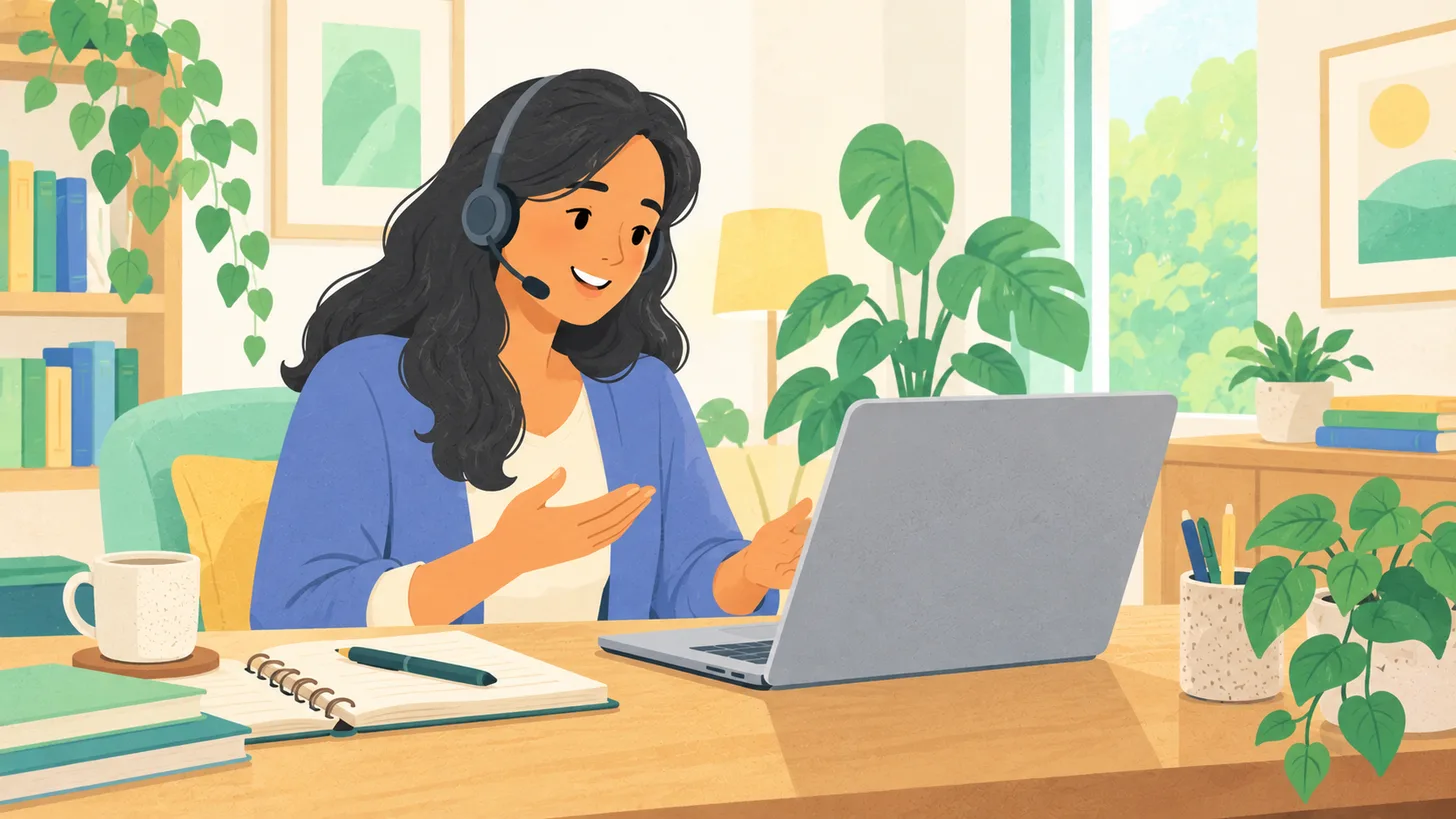
Most people in India use video. Some use audio when the Wi-Fi is weak, or when turning the camera on feels like too much today. A few prefer chat, where you type as you go. All three are real formats. Pick the one you can show up to for four weeks.
Online therapy is not a self-help app. It is not a chatbot. It is not a WhatsApp from a well-meaning friend. It is a planned talk with someone who has studied how distress works and how it eases. That training is the quiet thing you are paying for.
Online therapy is also called online counselling, teletherapy, telepsychology or “therapy on video”. The words differ. The work is the same.
In short: Online therapy is a trained conversation, held on your phone or laptop, with a verified psychologist in India.
Does online therapy actually work?
Yes, for most common concerns. A 2021 meta-analysis in Clinical Psychology & Psychotherapy looked at live therapy by video versus in person. It found the two are roughly equivalent for the conditions most adults bring to a therapist. Anxiety, low mood, PTSD, and related concerns, all included.
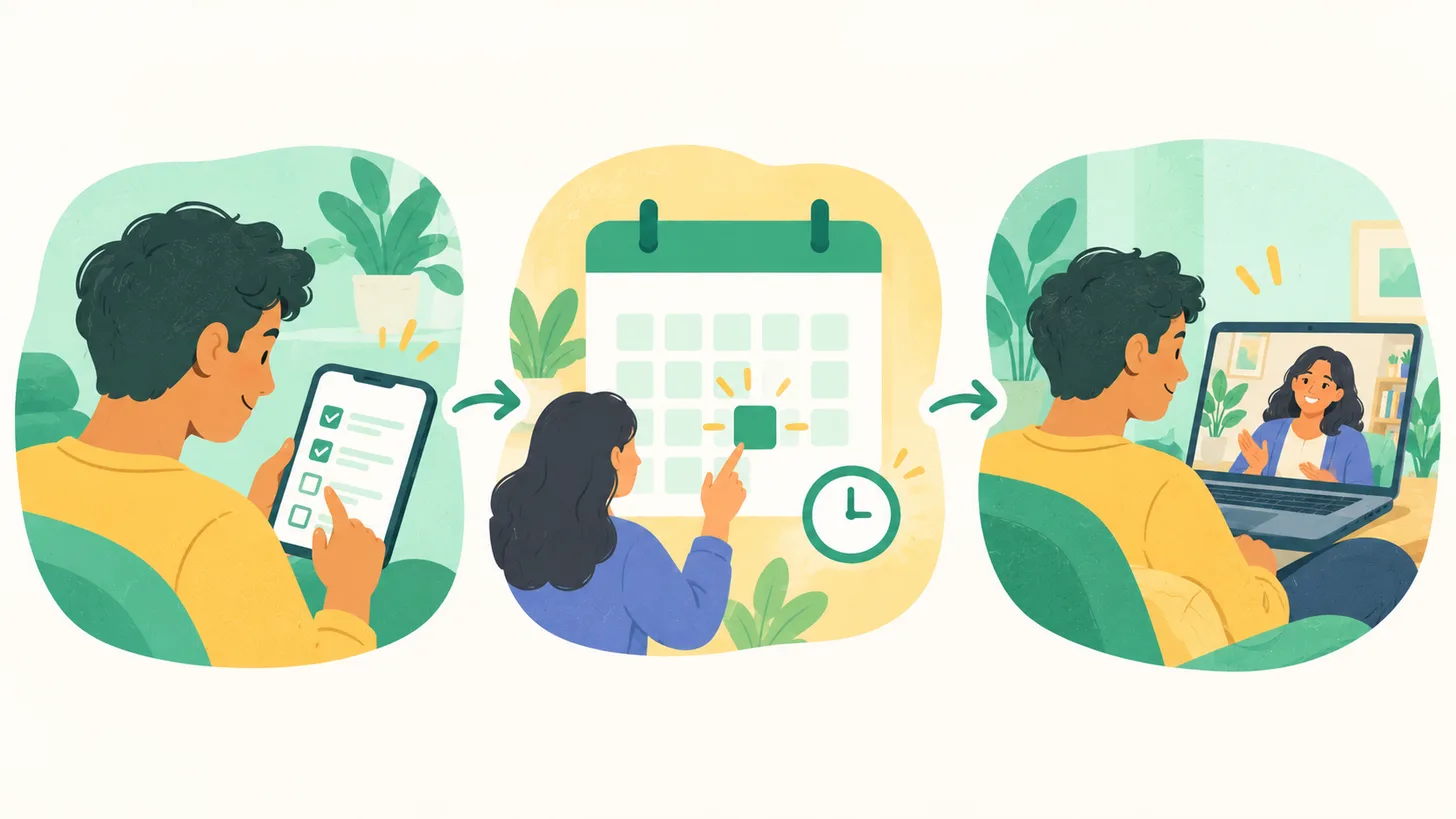
That tracks with what practising therapists see day to day. The bond between you and your therapist is what moves the needle. That bond builds over video.
The honest limit is this. Research most strongly supports online therapy for mild to moderate anxiety, mild to moderate depression, work stress, grief, relationships, phobias and OCD worked with CBT. Research is thinner for acute, severe or complex cases. For those, in person is often the safer first step.
If what you are reading sounds like you, you are not overreacting. You are reading a research-backed option for the thing you are feeling.
In short: For most adults with everyday anxiety or low mood, online therapy delivers comparable results to in-person. The format change is not the thing that holds people back; starting is.
When online therapy fits you, and when it does not
Online therapy fits a wider slice of life than most people expect. There are also a few situations where in-person or a different kind of care is the right first step. Both honest answers belong in this post.
What a first online session looks like
The first session is less dramatic than the Google tab makes it feel. It is mostly intake. The therapist asks what brought you in. They ask about sleep, work, family, how long this has been going on, what you have tried. You can go slow. You do not need the right words. Finding the words is often part of what therapy is there for.
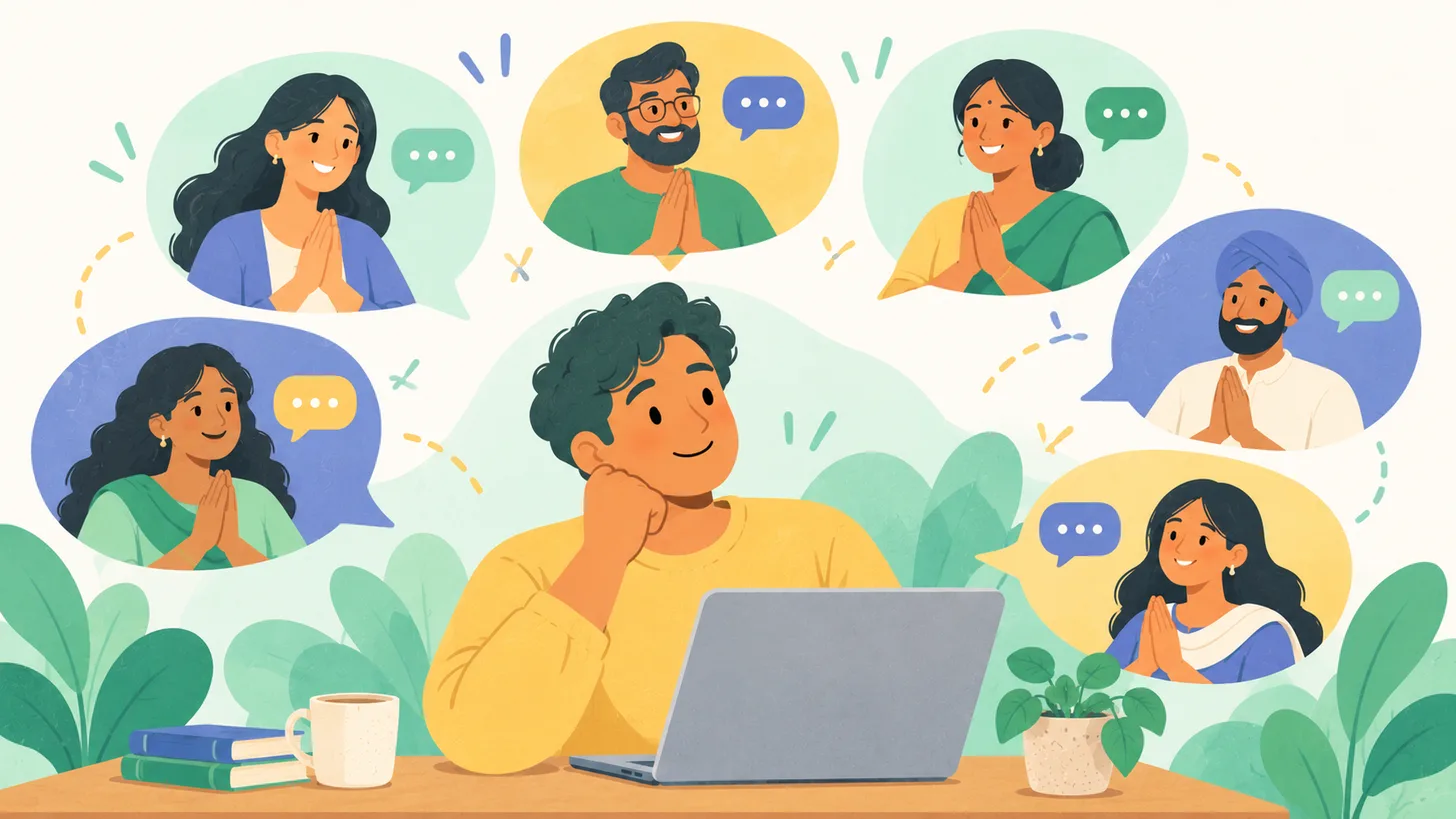
Most sessions last 50 minutes. Many Indian platforms, including GoodLives, offer a short free intake call before the full session. That is where you tell if the fit feels right. By the end of session one, a good therapist tells you roughly how many sessions a concern like yours usually takes, and what the plan looks like.
You do not have to be in crisis to come. You do not have to prove how bad it is. “I have been feeling off for a few weeks and I want to talk” is a full reason.
A short note on the camera. You can keep it off in session one. Many therapists prefer the camera on from session two, because facial cues help. This is a talk to have, not a rule. The space is yours.
For a wider look at how online counselling flows end to end, read online counselling on GoodLives.
In short: Session one is slow, structured and kind. You bring what you have. The therapist helps shape the rest.
Who the therapists are, and how to tell one apart
The quality of your care depends on the person on the other side of the call, not the app. Credentials in India sit in three tiers. Knowing the tiers helps you ask one or two short questions. The right answer is easy to spot.
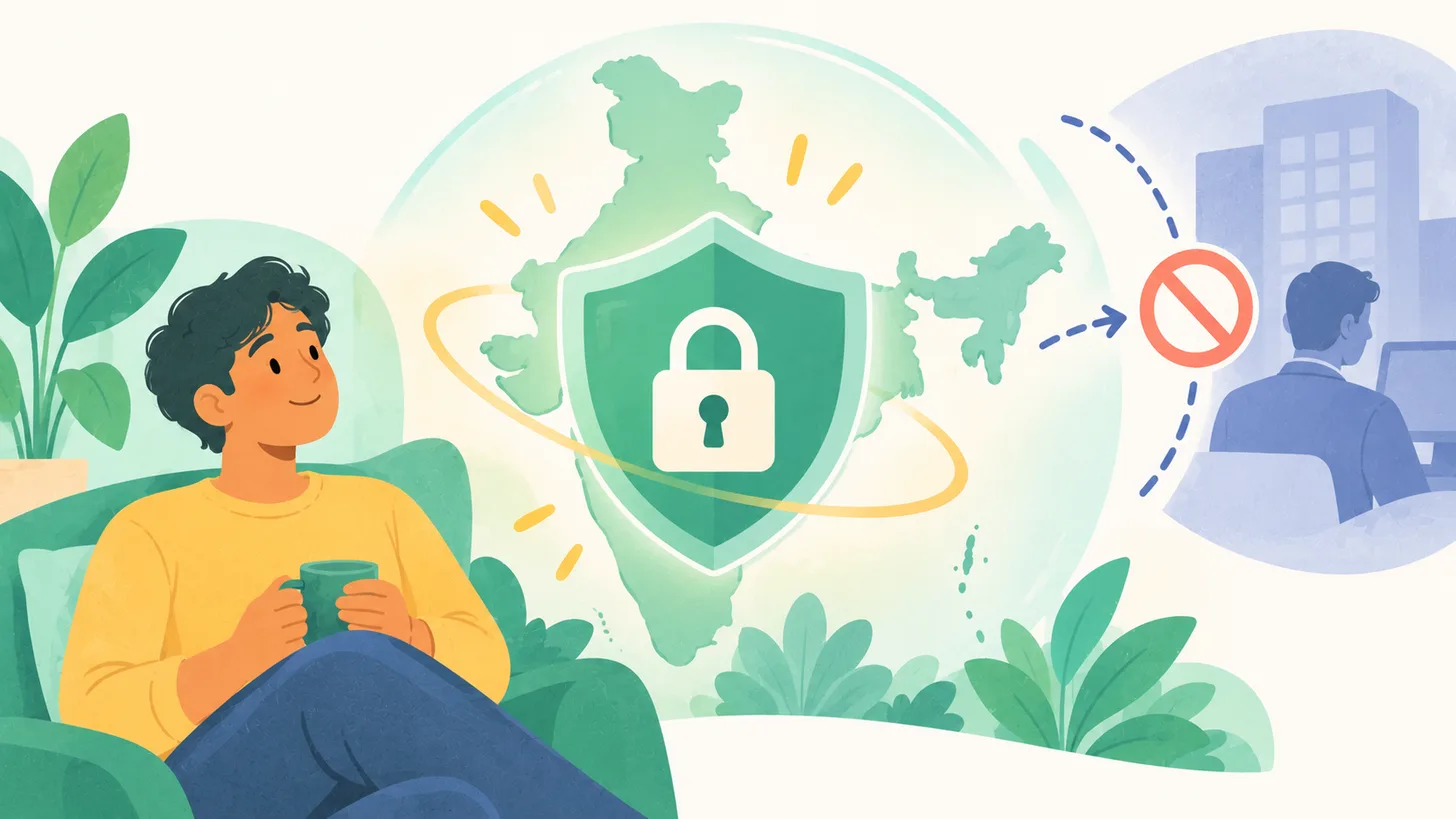
Credential map Counsellor (MA counselling or MA applied psychology, 1 to 3 years of experience): trained in talking therapy for everyday concerns. Good for exam stress, work stress, family issues, relationship questions, early anxiety. Often the kindest option when budget is tight.
Clinical psychologist (MA psychology plus M.Phil in clinical psychology, Rehabilitation Council of India registered): the senior tier. Trained to assess and treat moderate to severe conditions. Runs structured protocols like CBT and ACT, and works with trauma. Required for anything close to a diagnosis in India.
Psychiatrist (MBBS plus MD in psychiatry): a medical doctor. The one who can prescribe medication. On most online platforms, you reach a psychiatrist by referral when medication is being considered. On GoodLives, your therapist suggests a referral if it seems useful. It is never a push.
Ready to try a session? If you have been circling this for a while, a 50-minute session with a verified psychologist on GoodLives is a soft first step. English, Hindi and more Indian languages. No long form. Match Me with a Therapist
How to vet a therapist in two minutes:
- Ask for their RCI registration number if they are a clinical psychologist
- Ask what their training is: MA, M.Phil, or MD
- Ask how many clients they have seen with issues like yours in the last year
- Ask what approach they use (CBT, ACT, psychodynamic, humanistic, EFT)
- Ask when they would refer you to a psychiatrist for a medication conversation
A therapist who answers these calmly is the one to try. One who bristles at fair questions is not.
Related: psychiatrist vs psychologist vs neurologist walks through who does what.
In short: Verify training and registration before fee. A short list of five questions is enough to tell real training from a nice website.
What online therapy costs in India in 2026
Session fees in India sit in bands by the therapist’s training and years of practice. Most adults in metro cities pay between INR 1,500 and INR 3,500 per 50-minute online session (as of October 2026). Smaller towns and supervised-trainee options sit below that. Specialists sit above.

Price map
| Tier | Fee per 50-minute online session (as of October 2026) | Who it fits |
|---|---|---|
| Supervised trainee or novice counsellor | INR 500 to INR 1,200 | A trial session, cost-first budgets, students, early exploration |
| Counsellor (MA, 1 to 3 years with online clients) | INR 1,200 to INR 2,000 | Work stress, relationship stress, mild anxiety, exam pressure |
| Practising psychologist (MA plus 3 to 7 years, often RCI route) | INR 1,800 to INR 3,000 | Moderate anxiety, moderate low mood, grief, burnout, chronic stress |
| Clinical psychologist (M.Phil, RCI registered) | INR 2,500 to INR 4,500 | OCD-informed CBT, trauma, structured protocols, assessment |
| Senior clinical psychologist or psychiatrist (video consult) | INR 3,000 to INR 6,500 | Complex cases, second opinions, medication conversations |
Rates were checked across major Indian online therapy platforms in October 2026. Platforms update their pricing often. Confirm the current fee on the therapist’s own page before you book. For the GoodLives fee, see our pricing page.
A quiet note on cost. If paying weekly feels heavy, move to every other week after the first four, or ask for a concession. Many Indian psychologists hold a few slots per week for lower-fee work with students and low-income clients. It is okay to ask. Asking does not make you less deserving of care.
In short: INR 1,500 to INR 3,500 per 50-minute session covers most Indian metros in late 2026. Pay for training, not for a fancy app.
Privacy, confidentiality and the law
A talk with a therapist is private, by law and by ethics. Three things shape how your words and data are handled in India.
Mental Healthcare Act, 2017 gives you the right to confidentiality in treatment. It gives you the right to refuse treatment, except in defined emergencies. It also gives you the right not to be discriminated against for a mental illness. Section 21(4) of the Mental Healthcare Act, 2017 requires insurers to cover mental illness on the same basis as physical illness.
Digital Personal Data Protection Act, 2023 is India’s data law. It sets rules for how your personal data is collected, stored and used. It also gives you the right to access, correct and withdraw consent. A good online therapy platform will tell you plainly what it stores, where and for how long. Read the privacy page before you book. The full Act is at MeitY.
Insurance parity. In 2022, the Insurance Regulatory and Development Authority of India (IRDAI) issued a circular. It confirmed that health policies must cover mental illness in line with the Mental Healthcare Act, 2017. In practice, inpatient care is usually covered. Outpatient therapy fees are rarely reimbursed under standard retail policies in India today. Most people pay out of pocket.
Some corporate group plans include a fixed number of therapy sessions. Check your policy wording. Ask your HR about an Employee Assistance Programme before you book.
Simple rules of thumb for privacy on any Indian platform:
- The therapist cannot share your words with your family, employer or anyone else without your written consent
- Session notes are the therapist’s own, kept in line with their clinical body’s rules
- The platform should encrypt the video call and store minimal data; ask before you sign up if it is not stated
In short: You have a legal right to private, non-discriminatory, insurance-parity care. In practice, outpatient fees are usually out of pocket today, unless your employer offers an EAP.
Online therapy in your own language
For many Indians, therapy only lands when it happens in a familiar language. English works for some. Hindi works for many. A few feel safer in Tamil, Bengali, Marathi, Telugu, Malayalam, Kannada or Punjabi, because that is the language the feeling arrived in.
On most Indian online platforms, you can filter by language. On GoodLives, you can match with a therapist in English, Hindi or several regional languages.
Finding the right language is not a small thing. If a word like ghabrahat (restless unease) is the one that fits what you are carrying, say it in session one. A therapist used to Indian families knows the shape.
For a Hindi-first option, read online counselling in Hindi.
In short: Pick a therapist in the language your feelings use at home. The results come faster when the words are not translated twice.
Online therapy for couples, families and students
Online therapy is not only one-to-one. Three other formats come up often in India. Each one is worth a short line here, with a link to the full post.
Couples work is a longer session, usually 60 to 90 minutes, with both partners on the call. It can be from one room or from two cities. See couples therapy online in India for how it works and what it costs.
Family counselling brings parents, siblings or extended family into one call with a trained counsellor. It helps with parent-child distance, in-law stress and major life transitions. See family counselling online in India.
Student counselling fits exam stress, loneliness after a move, early-adulthood anxiety and career confusion. Fees are lower. Sessions are shorter. See online counselling for students.
The format you need often becomes clear in session one. Starting one-to-one and shifting to couples or family later is a common path.
In short: Online therapy is a family of formats. One-to-one is the default. Couples, family and student counselling fit when the room needs more than one voice.
How to pick a therapist on GoodLives
If this post has helped you decide to start, the next step is small. You can read 10 therapist bios first. You can also let a short form match you.
Both routes work. Browse when you already have a sense of what style you want. Match when you do not, and you would rather trust a short set of questions.
A good match turns on three things people miss. Does the therapist work with your issue a lot? Is the language and cultural fit close enough for you to be honest? Does the time slot work for you week after week?
If a session does not feel right by session three, change therapists. That is a sign of a healthy service, not a failed start. Say it kindly to the therapist, or tell GoodLives support.
For a wider look at online counselling across concerns, see online counselling on GoodLives.
In short: Browse or match. Trust the issue-experience fit, the language fit and the time fit. Switch early if it is not right.
FAQ
Is online therapy as effective as in-person therapy?
How much does online therapy cost in India?
Can I do online therapy in Hindi or in a regional language?
Will my family find out I am in therapy?
Is online therapy covered by health insurance in India?
Can I see a psychiatrist online for medication?
How many sessions of online therapy will I need?
What if I feel worse after the first session?
This post is for information only and is not a substitute for professional care.

Share your thoughts