
What this blog includes
- A plain definition of rejection sensitive dysphoria
- Why RSD shows up so often with adult ADHD
- Three common patterns you may spot in your week
- What helps in ten minutes, and what helps over months
- When a therapist or an ADHD test is the right next step
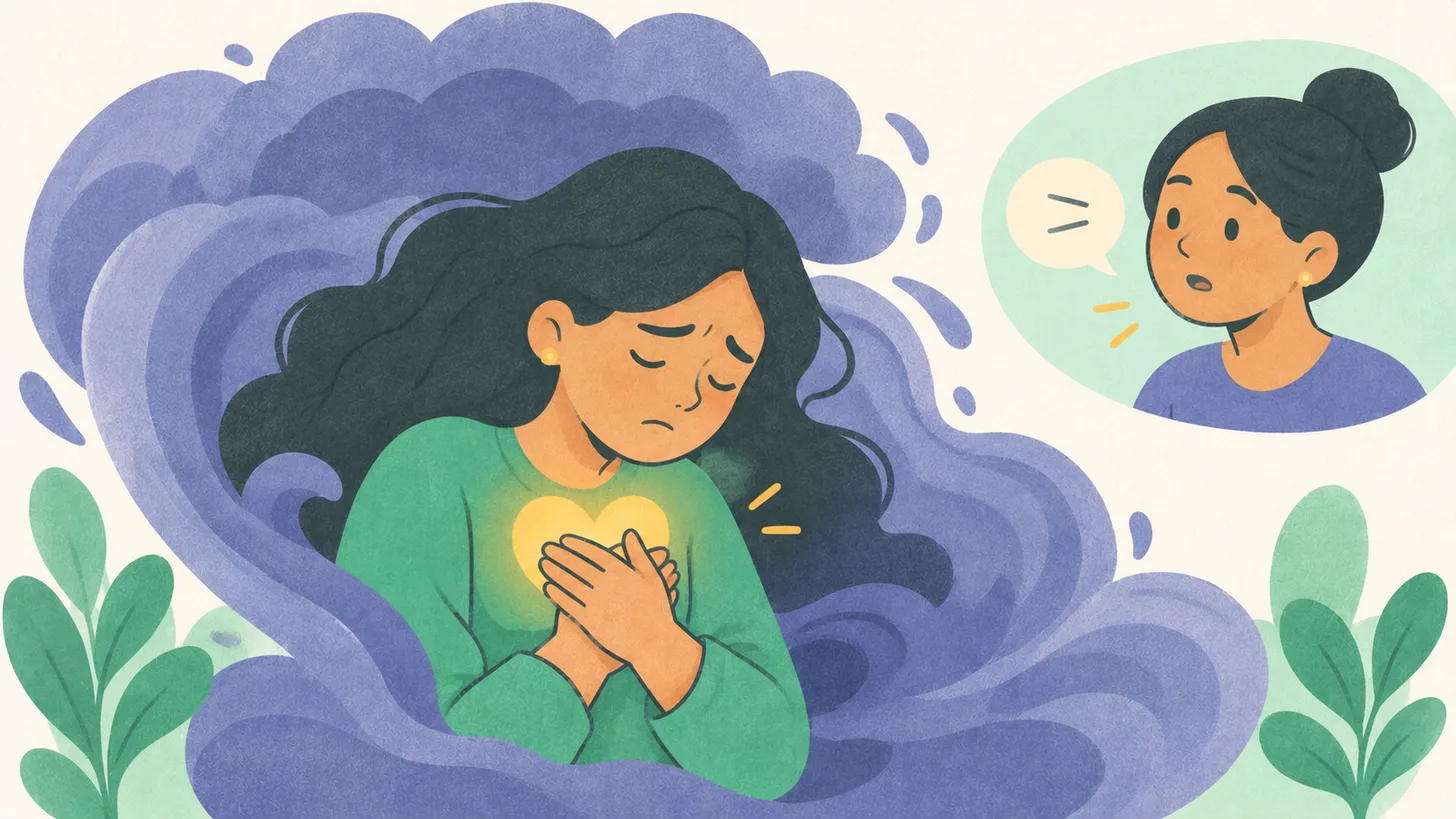
You might read a one-line reply and feel your chest tighten before a thought arrives. The pause between a ping and an answer. A Monday meeting that replays all afternoon. The sense that you are too much, and not enough.
If this sounds like you, you are not alone. Many of us have replayed a short message for hours before we knew what it meant.
Rejection sensitive dysphoria could be part of the picture. GoodLives is trusted by 500K+ people, and this post walks you through what RSD is, why it rides with adult ADHD, and what tends to help.
What is rejection sensitive dysphoria?
Rejection sensitive dysphoria, or RSD, is the name doctors use for a very strong reaction to real or imagined rejection. The pain can feel physical. For some, it passes fast. For others, it lingers for days. RSD is not a formal diagnosis. It is a pattern many adults with ADHD know well.
The term was first used by Dr. William Dodson, an ADHD doctor who describes RSD in ADDitude Magazine as a core feature of ADHD, not a separate illness.
In India, awareness is still growing. Many first hear the term from a therapist, a friend, or a late-night tab.
What RSD is not: it is not being too sensitive, it is not drama, and it is not weakness. It is a specific pattern that often rides along with adult ADHD and sometimes autism.
In short: RSD names a pattern, not a disorder. If a short reply lands harder than it should, you are not making it up.
Why does RSD show up so often with ADHD?
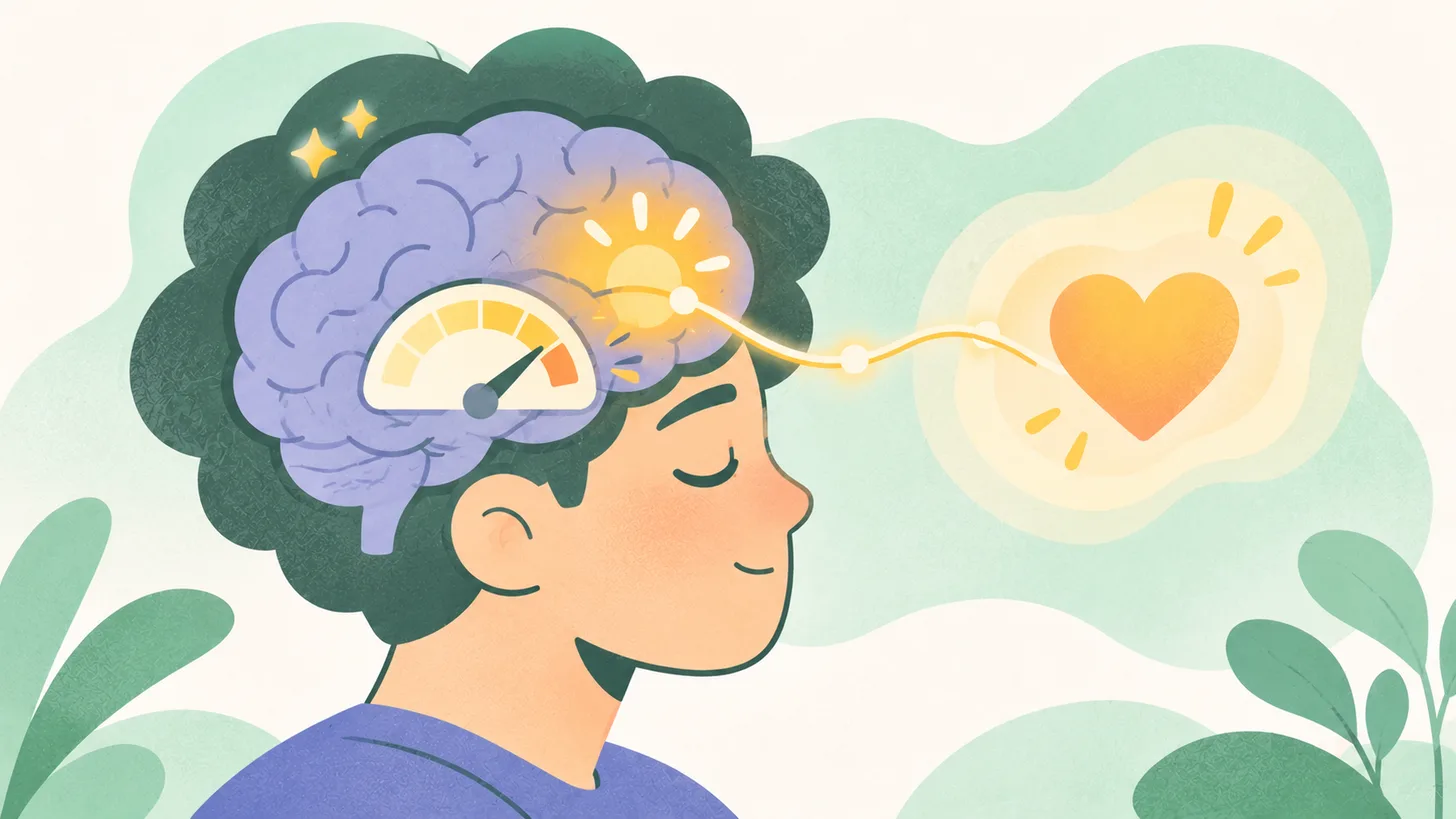
The honest answer is that we do not fully know why RSD rides with ADHD. Research shows one steady thing. Adults with ADHD often feel emotions more strongly. They also take longer to slow those feelings down. That is not a flaw. It is how the ADHD brain tends to work.
Years of small comments add up too. A child who hears “why can’t you just focus” every week carries that into adulthood. The first sign of someone being upset becomes a cue that something is wrong with them.
Over time, the body learns to brace. By the time an adult reads a short reply from a manager, the alarm is already loud.
Not every adult with ADHD has RSD. Not every hurt feeling is RSD. In India, adult ADHD is often spotted late, and women are often under-diagnosed. NIMHANS runs assessment pathways for adults.
In short: a sensitive emotion system plus years of small corrections tends to show up as RSD. The pattern makes sense once you see how it works.
What RSD can feel like day to day
Signs show up in the body before they show up in words. A short WhatsApp. A friend who takes six hours to reply. A quiet dinner at home. Each can set off the same loop. You replay the moment, scan the tone, and feel worse than the moment deserves.
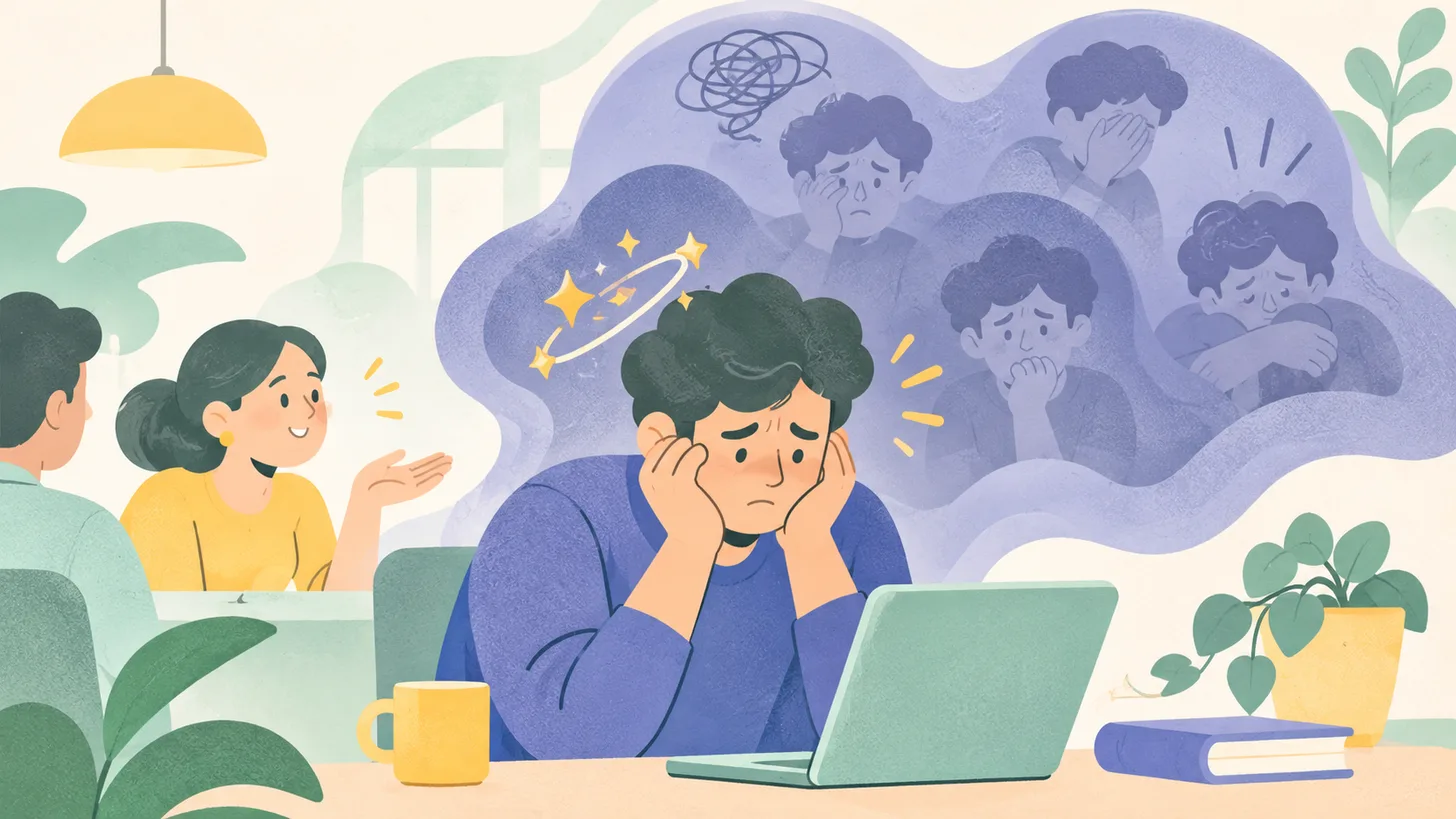
You might be worried that this means you are too fragile. You are not. Here are three common shapes RSD takes.
What helps in ten minutes, and what helps over months
Two things help, on two different timescales. The first calms your body in ten minutes. The second builds a wider gap over months, between the feeling and the choice you make with it. Neither is a cure. Both have real evidence, and both work better with practice.

For the ten-minute problem, slow your exhale. A long out-breath, roughly six seconds, repeated for a minute, tells your nervous system there is no emergency. Then step back from the message. The reply you draft in that moment is almost always the one you regret an hour later.
For the longer timescale, build a reframe habit. RSD often runs on one quick thought (“they are angry with me”) that then colours the next hour. A reframe is a short, structured way to name that thought, check it against what you know, and write a kinder, truer thought beside it.
If you want, try one now.
Catch the thought
What thought is weighing on you right now? Write it down just as it sounds in your head.
Name the trap
Does your thought fall into one of these common patterns? Pick any that fit. This part is optional.
Look again
Use these as nudges, not rules. Then write one line back to yourself.
Your reframe
Thoughts are not facts. You just practised stepping back.
This stays on your device. Nothing is saved or sent.
A reframe will not fix the pattern on its own. It takes the edge off a single moment. Over months, it widens the gap between a sting and your response.
Many adults find that ADHD-informed therapy, better sleep and treatment for the ADHD itself help more than any one thing alone. Medication choices sit with a psychiatrist and are outside the scope of this post.
In short: slow the body down, then rewrite the thought. The small moves add up.
When to see a therapist or get an ADHD assessment
If RSD is affecting your work, your sleep or your relationships, it is worth talking to someone. A therapist can help you spot the trigger, slow the response, and build small routines that catch the flare before it writes an email.
Not every rejection pattern needs therapy. Some of this is a season you walk through with sleep, honest conversation, and a few small changes.
But if the loop is loud this week and your family dinner has become a minefield, you do not have to figure it out alone. The udaasi (a low, flat mood) that follows a flare is real, and so is the help on offer.
A reframe shows you the loop. The slower work of building a new response, over months, is the kind of work therapy is for.
If you suspect ADHD is part of the picture, our adult ADHD screener is a short self-check, not a diagnosis. For a formal check, speak with a clinical psychologist.
That can happen in person, or through online therapy in India with an RCI-registered therapist who understands what being neurodivergent means in India.
In short: when the pattern starts to shape your days, a second pair of eyes helps. A screener is a first step. A therapist is the longer talk.


Share your thoughts