
What this blog includes
- The three clinical types of stress psychology uses, in simple terms
- The eustress and distress split, and why some stress is useful
- A short check to spot which type you are living with
- What helps for each type, and when to see a doctor
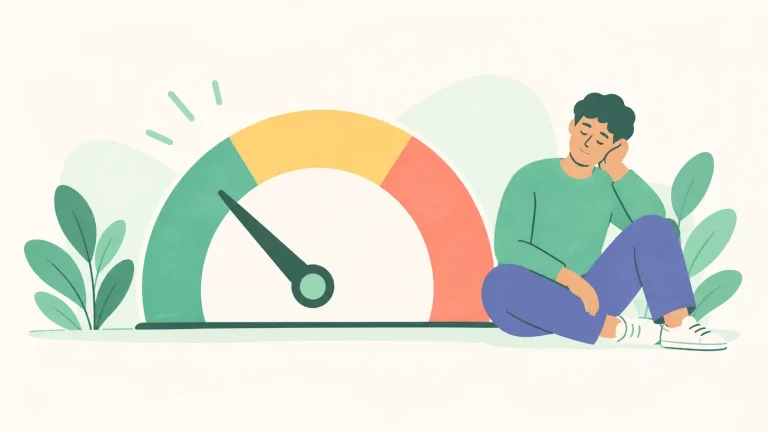
If you have typed “what is stress and types of stress” into your phone at 1 am, this blog is for you. Stress is your alarm system. It is not one thing. Psychology sorts it into a few kinds. Each one has its own shape and its own fix. Trusted by 500K+ people, GoodLives writes blogs like this to help you name what you feel.
So what is stress, and why does your body treat it like an alarm?
Stress is your body’s reaction when a demand feels bigger than your capacity. A meeting, a bill, a parent on WhatsApp. The nature of stress is simple at the biology level. Your brain reads a threat. Cortisol goes up. Your body gets ready to move. That is the alarm, doing its job.
The HPA axis is a short chain. Hypothalamus to pituitary to adrenal glands. It releases cortisol and adrenaline. Heart rate climbs. Blood sugar rises. This is useful for ten minutes before an interview. Not useful for ten months of a bad job.
In short: stress is not weakness. It is your alarm doing its job. The question is which type, and for how long.
How many types of stress are there, really?
Psychology uses three clinical types, plus one quality label that applies to each. The three types are acute, episodic acute, and chronic. The quality label is eustress or distress. That is stress that stretches you, or stress that wears you down. This is the simple classification of stress we will walk through now.
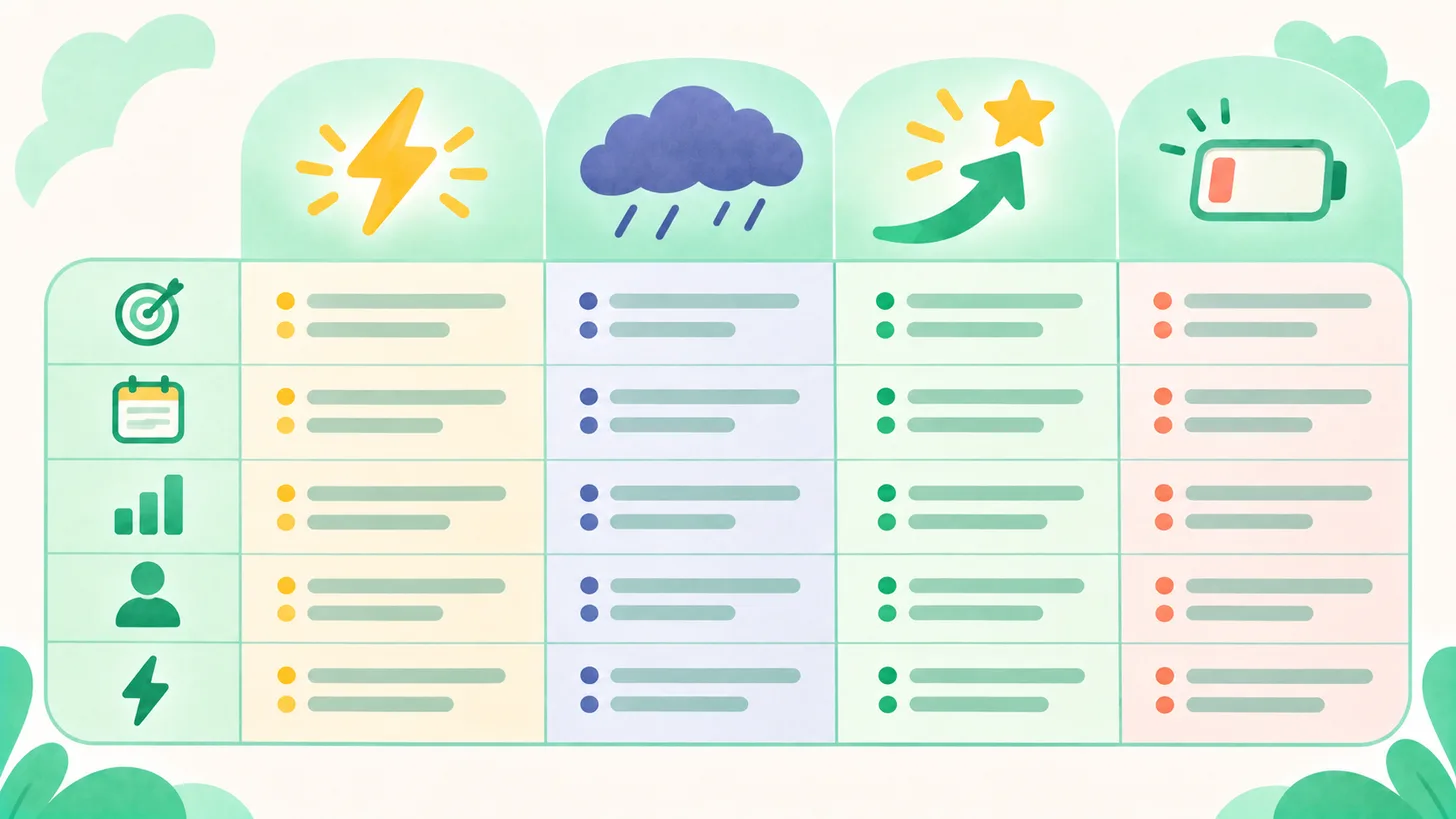
The three-category frame comes from the American Psychological Association. The eustress idea comes from Hans Selye in the 1970s. Together these frames cover almost every kind of stress you will read about online.
In short: four names cover most of it. Three for how long. One for whether it is useful or hurting you.
Acute stress: short, sharp, and usually safe
Acute stress is the short, event-triggered kind. It passes once the event ends. A fender bender. A fight with a sibling. Ten minutes before a presentation. Your body spikes. You deal with the thing. You come back to baseline. This is the most common of the three types of stress in psychology, and it is almost always healthy.
The signs show up in four places at once. Physical: fast heart, shallow breath, tight jaw. Emotional: a flash of fear or anger. Cognitive: narrow thinking. Behavioural: pacing, scrolling, over-explaining.
You have probably felt all four in one meeting. That is normal. Three to four spikes a day in a busy week is fine.
If you want, take one slow minute with this before you read on.
`
A moment to breathe
Follow the circle. Breathe in, hold, breathe out, then hold. Four counts each. Stay as long as you like.
In short: acute stress is short, loud, and useful. Rest, water, and a few minutes of slow breathing finish the job.
Episodic acute stress: when rush becomes a personality
Episodic acute stress is what happens when acute spikes stack up back to back for weeks or months on end. The person is late, overcommitted, and holding six tabs of worry. The chronic overcommitter. The perpetual rusher. The spikes are still short. The body never fully resets between them.
Classic signs are tension headaches, migraines, acid reflux, a short fuse. Many Indian students preparing for CA, NEET, UPSC or CAT live here for one to three years. So do new parents, early founders, and anyone on four hours of sleep.
The honest hard part: it often feels like competence. You are getting things done, so the system draining you looks like the system working. It usually takes a body signal to notice.
In short: this one is not solved by a weekend off. The fix is systems. Fewer commitments. Saner scheduling. Often a few counselling sessions to see the pattern.
Chronic stress: the slow burn that hurts your body
Chronic stress is long-standing stress with no clear end point. An unsafe marriage. Caring for a parent with dementia. Poverty. Chronic illness. A joint-family role you did not choose. The alarm is low-grade. It never turns off. Over months, this costs your body real health.
The research says it plainly. Chronic stress raises risk of hypertension, type 2 diabetes, heart disease, and clinical depression, per the WHO brief on stress at work. It is one of the strongest predictors of relapse in anxiety and depression.
The signs look less dramatic than acute stress and more worrying. Flat mood. Trouble sleeping. Numbing with phone or food. People often say “I am just tired” for a year before the word stress comes up. The honest answer is we do not fully know why some bodies hold it longer than others.
In short: chronic stress is not a mood you push through. It is a signal that something structural needs to change.
Eustress and distress: when stress is actually useful
Eustress and distress are not two more types. They are a quality that can apply to any of the three above. Eustress stretches you in a direction you want. A wedding. A promotion. A half-marathon. Distress drains you without that stretch. A job you resent. A loan you cannot clear. That is the emotional distress meaning most people miss.
Here is the twist. The body’s response to eustress and distress is almost the same at the physical level. Heart races. Cortisol rises. Sleep gets lighter. What differs is meaning and recovery. Eustress is followed by rest. Distress is followed by more distress.
Three questions tell them apart. Did I choose this? Will it end? Will I rest well afterwards? If the honest answer to two of three is no, you are in distress. Bechaini, the Hindi word for restlessness, often sits right there.
In short: not all stress is bad. The question is which stress is moving you forward, and which is burning you out.
What types of stress look like in India
Stress in Indian lives often has specific shapes. On intake calls at GoodLives, a few come up again and again.
- Joint-family role conflict: daughter-in-law, daughter, wife, mother at one dinner, four sets of expectations
- Multi-generation financial support: one salary pays for rent, siblings’ fees, parents’ medicines
- Dowry pressure, where it still shows up as “gifts” or wedding costs
- Long-commute metros: three hours a day in Mumbai local trains or Gurgaon traffic
- Government-exam prep for CA, NEET, UPSC or CAT, often two to three years long
- Caregiving in nuclear families, with no extended support to share the load
Each of these can be acute, episodic acute, or chronic. Most are chronic for the people living them. The NIMHANS National Mental Health Survey found a lifetime prevalence of common mental disorders near 15 per cent, with urban metros showing the highest rates.
In short: your stress may have an Indian shape your Instagram feed is not naming. That does not make it less real.
How can you tell which type you are dealing with?
Three questions sort kinds of stress fast. First, is it tied to a specific event that will end? If yes, it is probably acute. Second, is it a pattern of back-to-back events over months? Then it is episodic acute. Third, is the stressor itself long-standing with no clear end? Then it is chronic stress you are in.
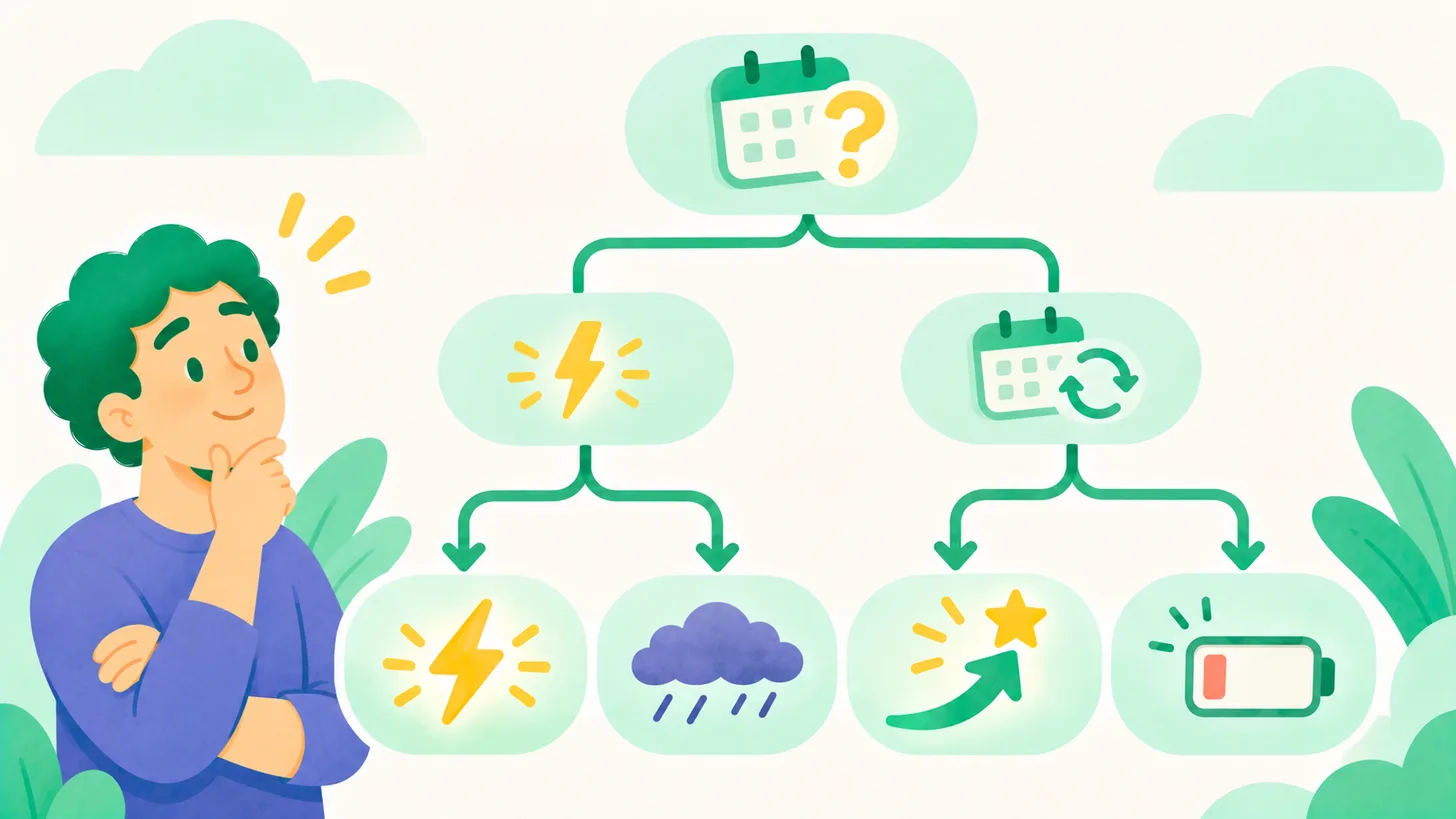
You can also look at the recovery window. Acute stress recovers in minutes to a day. Episodic acute needs weeks of calmer rhythm. Chronic often needs the stressor itself to change, plus clinical support.
Some weeks the signs are easy to read. Some weeks they blur. That is normal, not failure.
In short: match the stress type to the time horizon of the stressor. Treating chronic stress like it will fix on Sunday is where most of us lose months.
What helps for each type (and what wastes your time)
Types of stress management differ for each type. Most of us use the wrong tool for the wrong one. Here is the short version. The right tool makes the difference between relief and a wasted week.
In short: use acute tools for acute stress, systems for episodic, and clinical help for chronic. Most of us try one tool for all three and wonder why nothing works.
When does stress become a disorder you should see a doctor for?
Stress becomes a clinical diagnosis when it breaks your functioning, or when it follows a trauma. The DSM-5-TR names three stress and trauma related disorders. These are acute stress disorder, PTSD, and adjustment disorder. Each has a clear time window. Each needs a trained clinician to diagnose, not a Google search.
Acute stress disorder shows up as flashbacks, broken sleep, and hypervigilance in the three to thirty days after a trauma like an accident, assault or sudden loss. PTSD is the same cluster lasting more than a month, often with avoidance and numbing. Adjustment disorder is major distress out of proportion to a life change, within three months of the change.
You do not need to self-diagnose. If stress has broken your sleep for over two weeks, if you have had a panic attack, or if a recent event keeps replaying, that is reason enough to book a session. The honest line here: if what you need right now is to sleep tonight, a therapy session on Friday is not the fastest tool. Therapy is the week-two tool.
Burnout is a special case. The WHO defines burnout as a syndrome from chronic workplace stress that has not been managed well. Our longer piece on work stress and burnout in India walks through the signs. You can also try a quick burnout test, or read how to stop procrastinating if episodic acute stress is showing up as missed deadlines.
In short: stress becomes a disorder when it breaks your sleep, work, or relationships for weeks. That is a clinician’s call.


Share your thoughts