
What this blog includes
- What social anxiety is, in plain words, with the DSM-5-TR definition
- How CBT addresses each loop that keeps social anxiety going
- Four core CBT techniques your therapist will likely use
- A realistic timeline, costs and when CBT alone is not enough
CBT for social anxiety is a short, structured therapy for the fear of being watched, judged or embarrassed around other people. Your therapist helps you spot the thoughts that light up the alarm, test them in small real-world steps, and build a kinder way to be around people.
The UK’s NICE guideline places CBT as the first-line psychological treatment for social anxiety disorder.
GoodLives matches you with a verified psychologist trained in anxiety work, in English, Hindi and more Indian languages. Trusted by 500K+ people, with a 5 Google rating on our homepage.
You don’t have to be the loudest person in the room to be okay in it. CBT does not turn an introvert into an extrovert. It gives you a quieter mind when you walk in.
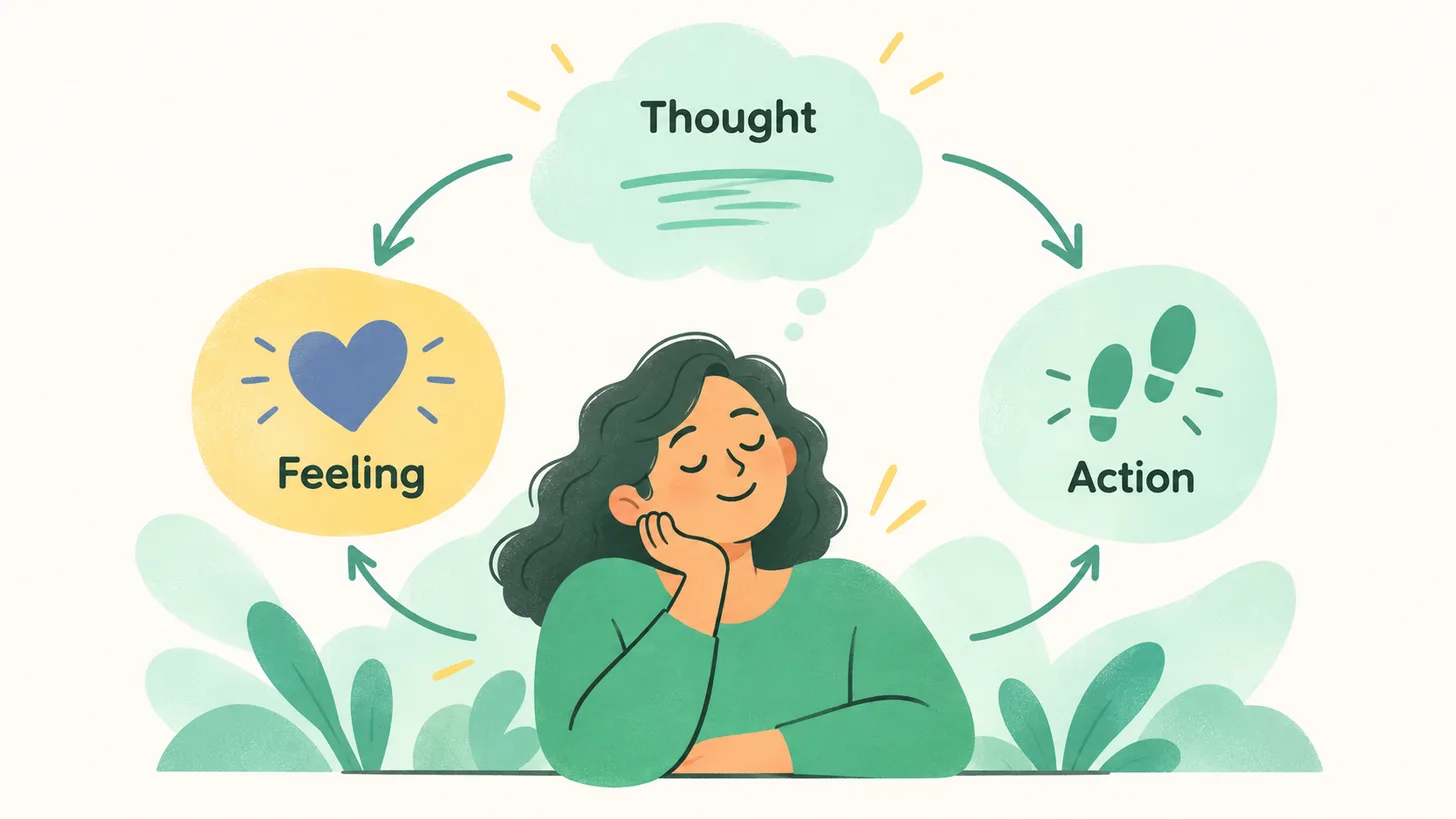
What is social anxiety, in plain words
Social anxiety is a persistent, out-of-proportion fear of social situations where other people might watch, judge or evaluate you. The DSM-5-TR defines it as marked fear or anxiety in one or more social situations, lasting six months or more, that gets in the way of work, study or everyday life.
That is the clinical line. The everyday version is simpler. You rehearse a sentence before you say it. You dread the next office off-site. You scroll your phone in a lift to avoid eye contact. You replay a WhatsApp message for two hours after you send it.
It is not shyness and it is not the same as general anxiety. A shy person feels awkward, then warms up. In social anxiety, the alarm stays on.
The NIMHANS National Mental Health Survey 2015-16 found a current prevalence of around 0.5% for social anxiety disorder in India. International lifetime estimates are much higher, so Indian numbers are likely an undercount, not an all-clear.
In India, two things keep it hidden. One is log kya kahenge, the quiet pressure of what people will say. The other is hierarchy. Speaking to a senior, answering a mother-in-law, presenting in English when your first thought is in Hindi, all press on the same alarm.
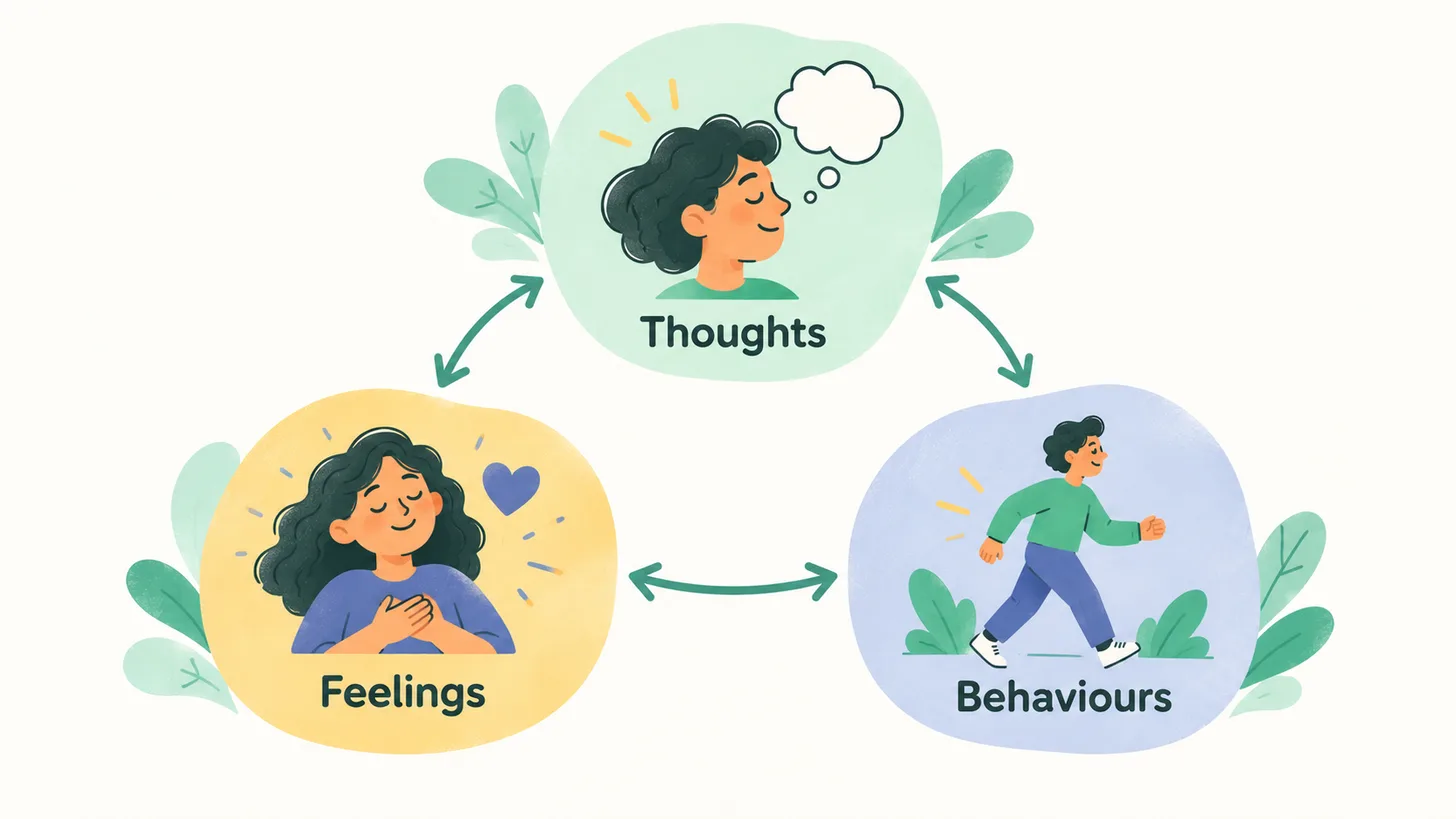
In short: social anxiety is a six-month-plus fear of being watched or judged that stops you doing ordinary things. It is a treatable condition, not a personality flaw.
How CBT addresses the social anxiety loop
CBT works on the loop that keeps social anxiety going, especially the pattern of negative thoughts that run before and after a social moment. The clearest map of this loop is the Clark and Wells cognitive model, published in 1995 and still the backbone of most CBT programmes today.
The model names three parts that lock together. You turn attention inward, onto how you look and sound. You run safety behaviours to hide what you fear others will see. You spend hours before and after the event rehearsing or picking it apart. Each part feeds the next.
In short: CBT works by naming the three loops that run social anxiety and giving you one specific tool for each. It is a method, not a pep talk.
What CBT for social anxiety actually looks like in sessions
A CBT session for social anxiety is usually 50 minutes, weekly, with homework between calls. The main techniques your therapist will use come from the Heimberg group and Clark and Wells protocols, both tested in randomised trials.
Four techniques do most of the work. Your therapist will not use all four in every session. They mix them to fit your pattern.
- Cognitive restructuring. You catch the hot thought (“they all think I’m boring”), test the evidence for and against it, and build a kinder, more accurate one. You do this on paper first, then in real time.
- Behavioural experiments. You turn a prediction into a test. Plan the smallest version of what you dread, do it, and record what actually happened. The thought gets weaker each time the prediction misses.
- Attention retraining. You practise shifting attention from your inner monitor to the people and the room. A short task, like listening for a specific word in someone’s sentence, pulls your focus out.
- Gradual exposure. You list the situations you avoid, rank them from easiest to hardest, and work up the list in small steps. Not flooding. The point is to update the brain’s prediction.
Some therapists also use video feedback, where you watch a short clip of yourself speaking. It helps you see how little of your fear actually shows. A good therapist introduces it slowly, with permission.
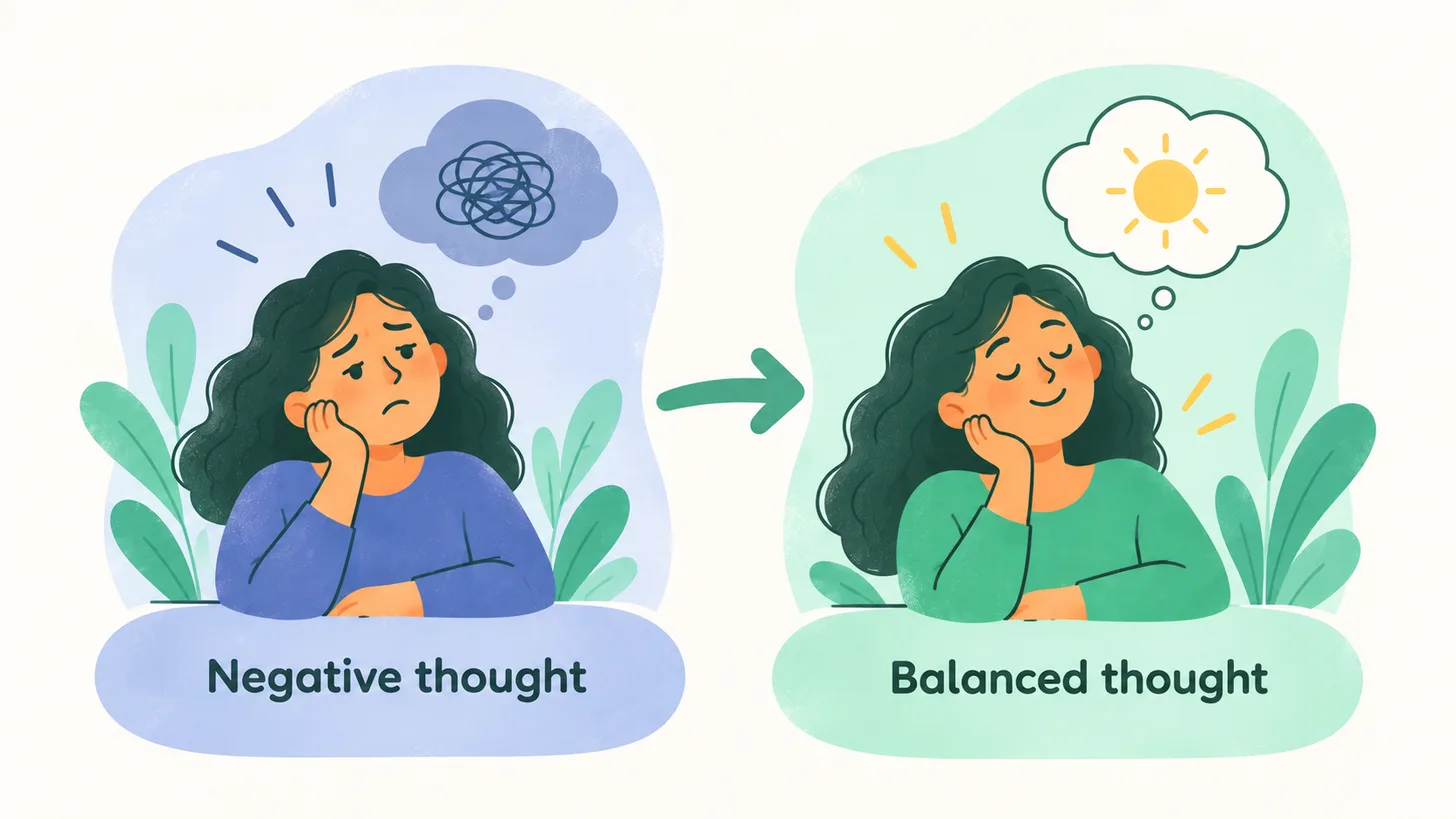
In short: your sessions mix cognitive restructuring, behavioural experiments, attention retraining and gradual exposure. Homework between sessions is where the change holds.
How many sessions does CBT for social anxiety take
Most Indian therapists plan 12 to 16 weekly sessions of individual CBT for social anxiety. Heimberg’s group CBT protocol runs for 12 weeks.
The Hofmann and Smits 2008 meta-analysis found CBT clearly outperformed placebo across anxiety disorders, with social anxiety among the strongest responders. Roughly two out of three people see meaningful change.
Your own timeline depends on where you are starting.
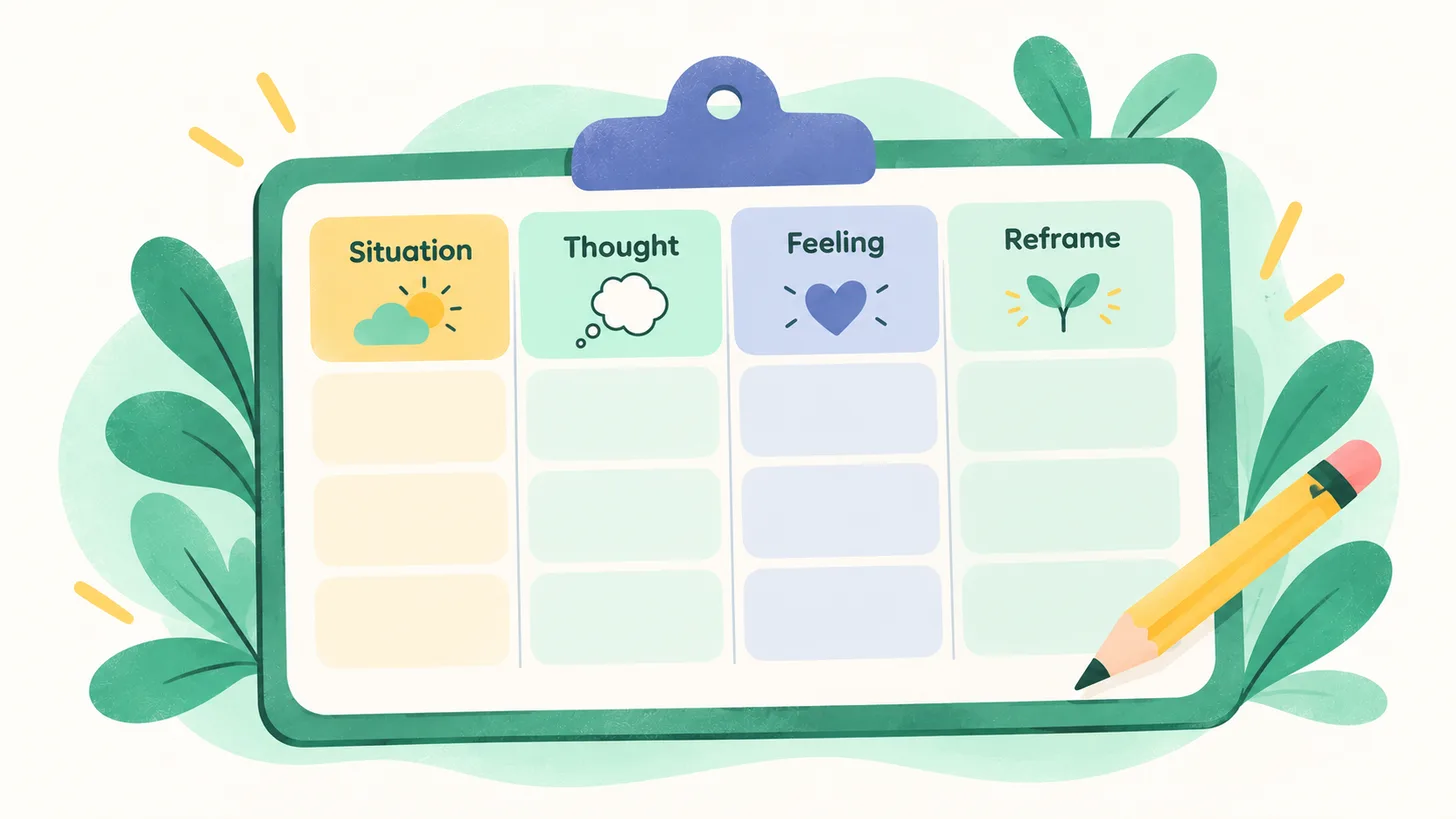
In short: plan for 12 to 16 sessions and know that mild cases can finish sooner, longer histories often need more. One good week is a start, not a verdict.
When CBT alone is not enough
CBT works, and it is not magic. For some readers, something else is pulling under the social anxiety and needs its own tool. If any of the following fits you, say so in the first session.
- Low mood with no joy for weeks. Pair CBT with therapy for depression or a psychiatrist consult.
- Panic attacks without a trigger. Add panic-focused CBT and body work. A separate panic attack plan helps.
- Drinking or weed to get through social events. This is coping, not failing, and it needs an honest conversation.
- A history of bullying, assault or trauma your social fear leads back to. Trauma-informed therapy like EMDR often fits better as the main course.
- Severe avoidance that stops you working or studying. Combined therapy and medication is usually the fastest route back to a life.
Many Indian psychiatrists prescribe an SSRI (a common class of antidepressant with a long track record in anxiety) alongside CBT when symptoms are severe. International guidelines list CBT and SSRIs as first-line options, often working best together.
We never recommend starting, stopping or changing a specific medication on a blog. That is a psychiatrist’s call, with you.
If CBT does not feel like a fit, two other therapies have evidence behind them. Acceptance and Commitment Therapy (ACT) can help when the social fear is tied to a bigger “who am I supposed to be” question. Psychodynamic therapy can help when early relationships are part of the picture.
In short: CBT is strong, not sufficient for everyone. If depression, panic, substance use or trauma run under your social anxiety, say so early. A combined plan, often with a psychiatrist on the team, is honest care.
FAQ
Is CBT really the best therapy for social anxiety?
Can I do CBT for social anxiety online?
How long before CBT starts to work?
What is the difference between social anxiety and shyness?
Do I need medication along with CBT for social anxiety?
Will CBT turn me into an extrovert?
How much does CBT for social anxiety cost in India?
Your next step
CBT for social anxiety is not a weekend fix. It is a short, structured therapy that gives you tools you can use the next day. If reading about it has already lightened something, that is worth paying attention to. A first session is a conversation, not a commitment.
In short: book one CBT session when the time feels right, and decide the week after whether to continue.
This post is for information only and is not a substitute for professional care.

Share your thoughts